
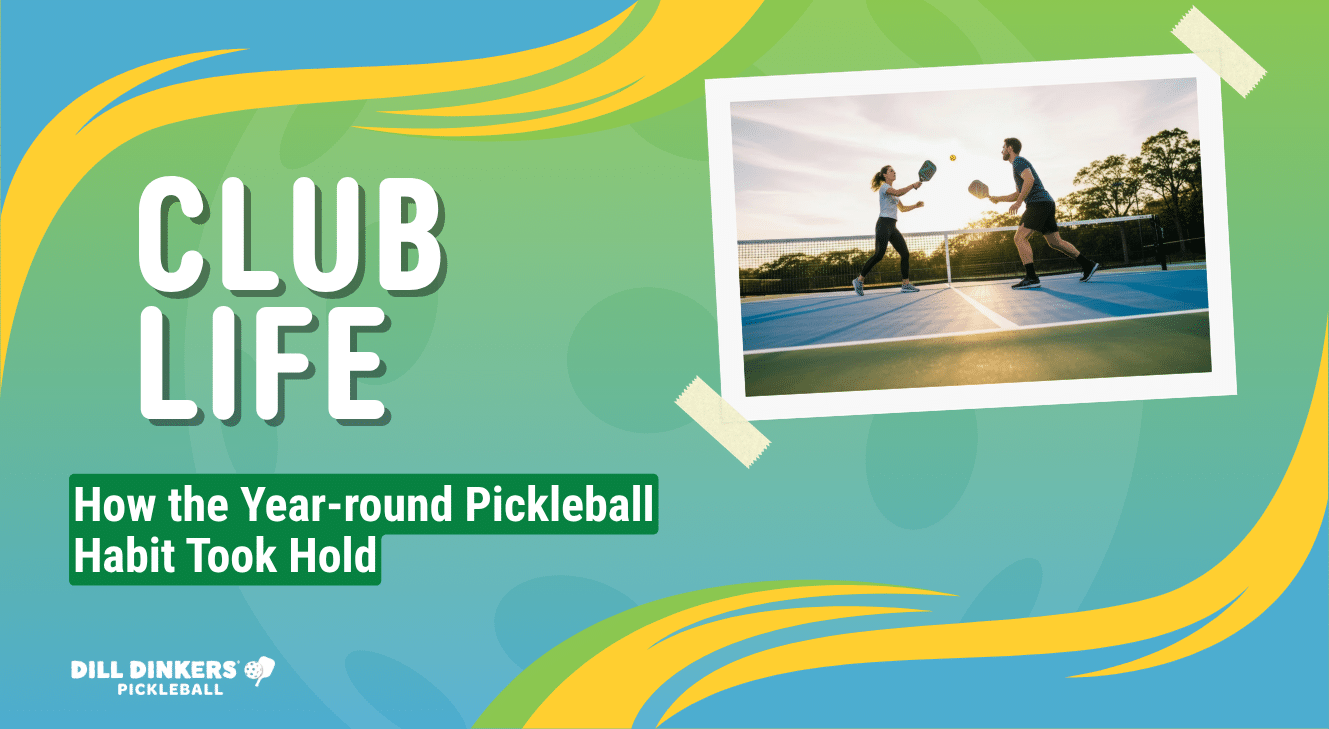
The year-round pickleball habit didn’t happen all at once. It built slowly, almost without people noticing. More players stopped thinking about pickleball as something tied to a season and started treating it as part of their regular routine. What once felt like a warm weather activity gradually became something expected, something familiar, something that showed up week after week no matter what the calendar said.
There wasn’t a big announcement or a clear turning point. It was more of a quiet shift in how players showed up, stayed longer, and kept coming back.
Pickleball Fits Before It Commits
Most pickleball routines don’t begin with intention. They usually begin with curiosity. A friend invites someone to play. A nearby court opens. Someone decides to give it a try without attaching any real expectations to it. One game turns into another, and before long, pickleball starts appearing on the schedule again.
That ease is a big part of why the habit forms in the first place. Pickleball doesn’t ask players to overhaul their lives or lock into a rigid plan. There’s no pressure to commit long-term and missing a week doesn’t feel like failure. Players show up when they can, play how they feel that day, and leave knowing they can do the same next time. Missing a week doesn’t feel like failure.
That flexibility makes returning feel natural instead of forced.
Consistency Without the Burnout
Consistency is usually where routines fall apart, but pickleball handles it differently. The game allows for variety without losing what makes it enjoyable. Players might come once a week or several times. They might play competitively one day and keep it casual the next. They can show up energized, distracted, or just looking to move a little, and it still works.
Because pickleball adapts to real schedules and real energy levels, players don’t feel punished when life gets busy. Instead of quitting altogether, they adjust. That ability to flex is what turns casual play into a lasting rhythm. The year-round pickleball habit grows because it fits into life as it actually is, not how it’s supposed to be.
Familiarity Builds the Habit
One of the strongest forces behind year-round pickleball doesn’t have much to do with skill or performance. It’s familiarity. Over time, players recognize faces, learn the flow of certain days, and start to feel comfortable simply showing up.
That comfort matters more than people realize. There’s no awkward restart after time away and no pressure to prove anything. Players step back onto the court and feel like they belong. The game meets them exactly where they are, which makes coming back easier every time.
Familiarity removes friction, and once friction disappears, habits tend to form on their own.
Seasons Stop Dictating Play
Once pickleball becomes familiar, seasons lose their hold. Summer no longer feels like the only time it works. Winter doesn’t automatically mean stopping. Spring isn’t a reset button. Instead, pickleball stays steady while everything else shifts around it.
Players might change how often they play or what their routine looks like, but they don’t feel like they have to leave the game behind. Pickleball bends with changing schedules and priorities, which lets the habit stay intact all year long.
That adaptability is what separates a seasonal activity from one that actually lasts.
Predictable in the Best Way
There’s comfort in knowing what to expect, and pickleball delivers that without feeling boring. Players know they’ll move their bodies, connect with others, and usually leave feeling better than when they began. There’s no need to hype it up or convince themselves to go.
That predictability makes pickleball reliable, especially when life feels unpredictable. The year-round pickleball habit becomes a steady anchor in the week, something players can count on without overthinking it.
A Habit That Doesn’t Punish Gaps
One reason pickleball sticks when other routines don’t is pretty simple. It doesn’t punish inconsistency. Missing a week isn’t a setback. Coming back feels easy. The game stays familiar, welcoming, and unchanged.
That low-pressure environment is what keeps players engaged long-term. They return because they want to, not because they feel obligated. The habit is built on enjoyment, not guilt.
Why the Year-round Pickleball Habit Lasts
The year-round pickleball habit didn’t grow because players forced it into their lives. It grew because the game fits. It fits changing seasons, shifting schedules, and different phases of life.
For a lot of players, pickleball isn’t something they plan around the weather anymore. It’s just part of the week. Familiar, reliable, and easy to return to.
And that’s exactly why it lasts.
Find your closest Dill Dinkers club to start your newest pickleball habit today.

Comments