
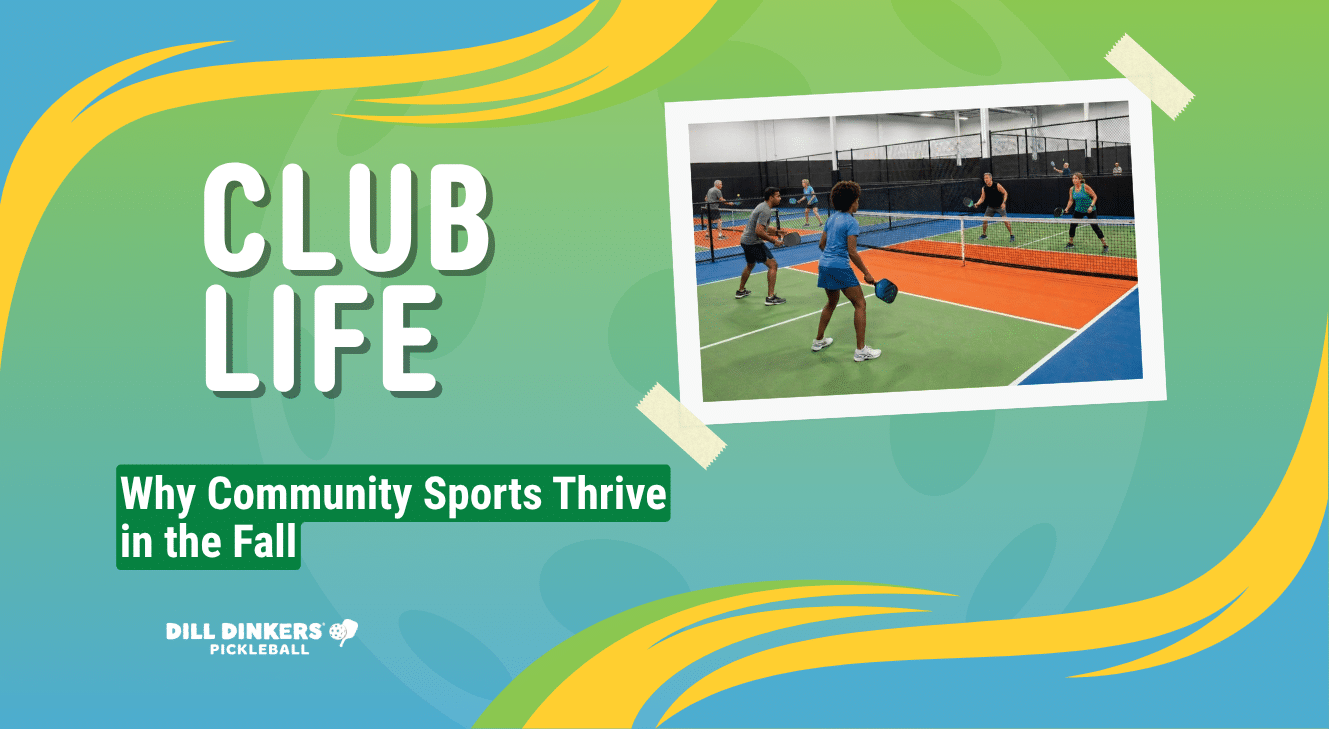
Community sports thrive in the fall because people naturally return to routines after summer vacations. As schedules become more predictable, many adults look for activities that combine exercise, social connection, and consistency. Whether through pickleball, recreational leagues, group fitness, or organized sports programs, fall creates ideal conditions for building healthy habits and meaningful community relationships.
That is why sports built around regular participation tend to feel especially natural in the fall. A weekly game, open play session, clinic, or league becomes more than a spot on the calendar. It becomes part of the season. Players know when they are going, who they are likely to see, and how the experience fits into everything else happening in their lives.
Why Are Community Sports Easier to Stick With in the Fall?
One of the biggest reasons community sports thrive in the fall is simple: routines are easier to keep when life becomes more structured. After a summer of vacations, long weekends, and shifting schedules, many people are ready for something steady. They want movement, social time, and a healthy outlet, but they also need it to be easy to repeat.
Pickleball fits that need well because it can be approachable, social, and flexible. Players can show up after work, meet friends for a weekend session, or build a weekly rhythm around a favorite program. The sport does not have to take over someone’s schedule to become meaningful. It just has to become reliable enough to look forward to.
That reliability is important. When players know they have a set time to play, they are more likely to protect it. The decision is already made. Instead of asking, “What should I do this week?” they can say, “I have pickleball on Tuesday.” That small shift turns participation into a habit.
How Does Community Keep Players Engaged?
Routine may get someone through the door, but connection is what often keeps them coming back. Community sports give people repeat opportunities to see familiar faces, meet new players, and feel like they belong somewhere outside of work, school, or home.
This matters even more in the fall, when days start to feel busier and social plans can become harder to coordinate. A standing activity removes some of that friction. Players do not need to plan something from scratch every week. They can join a scheduled session, step onto the court, and be part of the energy already happening around them.
For new players, that kind of environment can make the sport feel less intimidating. They are not just learning rules or trying to keep score. They are meeting people who remember their name, offer encouragement, and make the experience feel welcoming. For returning players, the community becomes part of the reward. The game is fun, but the people make it stick.
Why Do Leagues and Open Play Increase Participation?
Community sports also thrive when there is enough structure to make participation feel purposeful. Open play, leagues, clinics, round robins, and social events each create a slightly different reason to show up. Some players want casual rallies and conversation. Others want a little friendly competition. Some want to improve with instruction. Many want a mix of all three.
Fall is a great season to bring those options into focus because players are often ready to reset their goals. They may want to get more consistent, prepare for league play, meet a new group, or simply stay active before the holidays arrive. Structured programming helps turn that intention into action.
It also makes the experience easier to navigate. Instead of guessing where they fit, players can choose the program that matches their comfort level, schedule, and goals. That clarity helps people feel more confident, which makes it easier for them to return week after week.
Why Is Indoor Pickleball Popular During the Fall?
Fall weather can be beautiful, but it can also be unpredictable. Shorter days, cooler evenings, rain, and shifting schedules can make outdoor activities harder to maintain. Indoor pickleball helps remove those barriers by giving players a consistent place to play regardless of the season.
That consistency supports both routine and connection. Players can make plans without worrying as much about weather cancellations or daylight. Clubs can offer programming that feels dependable. Friends can build a shared schedule around play that is not constantly interrupted by the forecast.
For anyone trying to make pickleball part of their fall routine, that dependability can make all the difference. It keeps the habit easy to repeat, which keeps the community active.
The Best Fall Activities Feel Shared
The strongest fall routines are usually the ones people do together. A favorite class, a regular walking group, a weekly dinner, or a standing pickleball session all work for the same reason: they combine consistency with connection.
Community sports give players a simple way to stack those benefits. They get movement, social time, friendly competition, and a reason to come back. Over time, showing up becomes less about checking off an activity and more about being part of something familiar.
That is what makes fall such a strong season for pickleball and other community sports. The calendar gets steadier. People crave connection. Players want something healthy, fun, and easy to repeat. When a sport can offer all of that, participation does not just happen once. It becomes part of the season.
Ready to make pickleball part of your fall routine? Explore your local Dill Dinkers club and find programs, open play, and community events that fit your schedule.
Comments